Moon Calendar
Track lunar phases with our moon calendar. Full moon dates, new moons, and traditional moon names. Perfect for gardeners, astrology enthusiasts, and nature lovers.
Tonight's Moon
Waxing Crescent
19% Illuminated
Less than half of the Moon is illuminated and growing
Next Full Moon
Thu, Jul 30
Next New Moon
Thu, Aug 13
Moon Calendar by Year
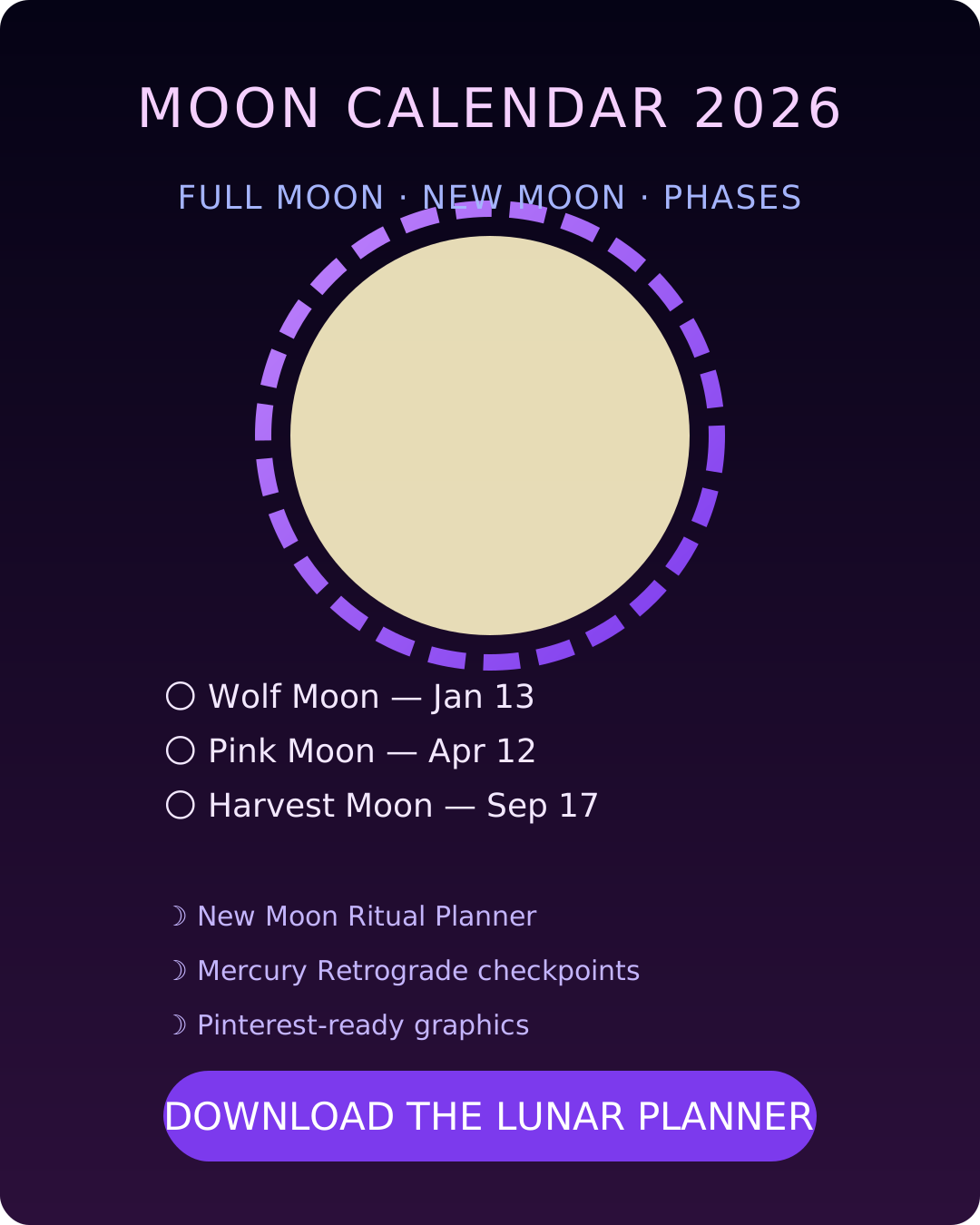
Pinterest-Ready Moon Graphic
Save this 1080×1350 vertical asset for your manifestation boards or social media pin strategy. Optimized for high contrast dark aesthetic fans.
Full Moons 2026
All 13 full moons in 2026 with traditional names.
Wolf Moon
Sunday, January 4
Also: Old Moon, Ice Moon, Snow Moon
Snow Moon
Monday, February 2
Also: Hunger Moon, Storm Moon
Worm Moon
Wednesday, March 4
Also: Crow Moon, Sap Moon, Lenten Moon
Pink Moon
Thursday, April 2
Also: Sprouting Grass Moon, Fish Moon, Egg Moon
Flower Moon
Saturday, May 2
Also: Corn Planting Moon, Milk Moon
Flower Moon
Sunday, May 31
Also: Corn Planting Moon, Milk Moon
Strawberry Moon
Tuesday, June 30
Also: Rose Moon, Hot Moon
Buck Moon
Thursday, July 30
Also: Thunder Moon, Hay Moon
Sturgeon Moon
Friday, August 28
Also: Green Corn Moon, Grain Moon, Red Moon
Harvest Moon
Sunday, September 27
Also: Corn Moon, Barley Moon
Hunter's Moon
Monday, October 26
Also: Blood Moon, Sanguine Moon
Beaver Moon
Wednesday, November 25
Also: Frost Moon, Frosty Moon
Cold Moon
Thursday, December 24
Also: Long Night Moon, Moon Before Yule
Understanding Moon Phases
The Moon goes through 8 distinct phases in its 29.5-day cycle around Earth.
New Moon
0%
Waxing Crescent
1-49%
First Quarter
50%
Waxing Gibbous
51-99%
Full Moon
100%
Waning Gibbous
99-51%
Last Quarter
50%
Waning Crescent
49-1%
The Lunar Cycle
- 1️⃣New Moon: Moon is between Earth and Sun, dark side faces us
- 2️⃣Waxing: Illuminated portion grows from right side (Northern Hemisphere)
- 3️⃣Full Moon: Earth is between Moon and Sun, fully illuminated
- 4️⃣Waning: Illuminated portion shrinks from right to left
Traditional Full Moon Names
Traditional names for each month's full moon, derived from Native American, Colonial American, and European traditions.
| Month | Full Moon Name | Other Names | Origin |
|---|---|---|---|
| January | Wolf Moon | Old Moon, Ice Moon, Snow Moon | Named for howling wolves in winter |
| February | Snow Moon | Hunger Moon, Storm Moon | Heaviest snowfall typically occurs in February |
| March | Worm Moon | Crow Moon, Sap Moon, Lenten Moon | Earthworms begin to appear as ground thaws |
| April | Pink Moon | Sprouting Grass Moon, Fish Moon, Egg Moon | Named for pink phlox flowers that bloom in spring |
| May | Flower Moon | Corn Planting Moon, Milk Moon | Flowers bloom abundantly in May |
| June | Strawberry Moon | Rose Moon, Hot Moon | Strawberries ripen for harvest |
| July | Buck Moon | Thunder Moon, Hay Moon | Male deer begin to grow new antlers |
| August | Sturgeon Moon | Green Corn Moon, Grain Moon, Red Moon | Sturgeon fish were easily caught in Great Lakes |
| September | Harvest Moon | Corn Moon, Barley Moon | Closest full moon to autumn equinox, aids night harvesting |
| October | Hunter's Moon | Blood Moon, Sanguine Moon | Moonlight aids hunters preparing for winter |
| November | Beaver Moon | Frost Moon, Frosty Moon | Time to set beaver traps before waters freeze |
| December | Cold Moon | Long Night Moon, Moon Before Yule | Named for the cold winter nights |
Frequently Asked Questions
What is a lunar calendar?
A lunar calendar tracks time based on the phases of the Moon, with each month beginning on a new moon. Unlike the solar Gregorian calendar, lunar months are approximately 29.5 days long, matching the Moon's orbital period around Earth.
What are the 8 moon phases?
The 8 moon phases are: New Moon, Waxing Crescent, First Quarter, Waxing Gibbous, Full Moon, Waning Gibbous, Last Quarter (Third Quarter), and Waning Crescent. The cycle takes about 29.5 days to complete.
Why do full moons have traditional names?
Traditional full moon names come from Native American, Colonial American, and European folklore. Names like Wolf Moon, Harvest Moon, and Hunter's Moon reflect seasonal activities and natural phenomena observed during those months.
How often do full moons occur?
Full moons occur approximately every 29.5 days (one lunar month). Most years have 12 full moons, but occasionally there are 13. When two full moons occur in the same calendar month, the second is called a Blue Moon.